SF321: Architecture Timeline
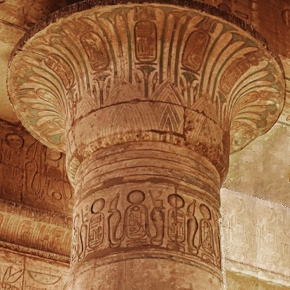
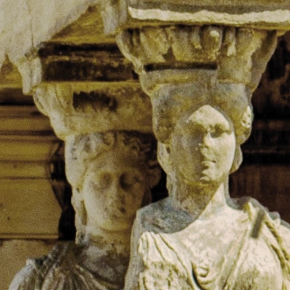
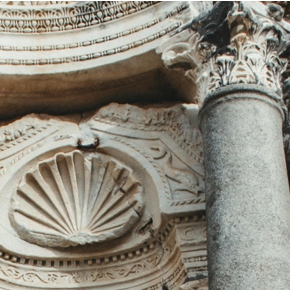
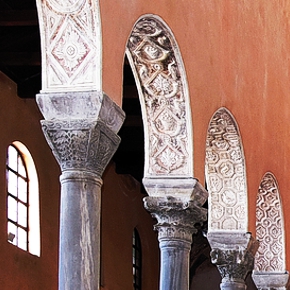
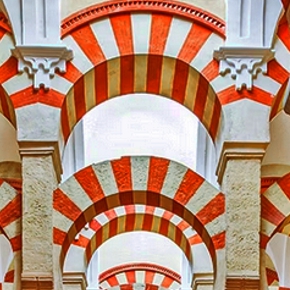
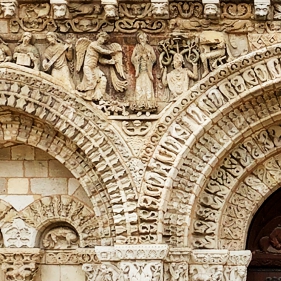
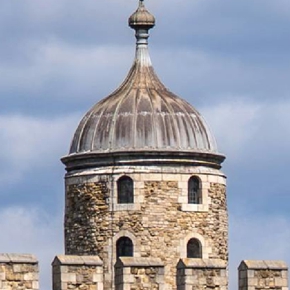
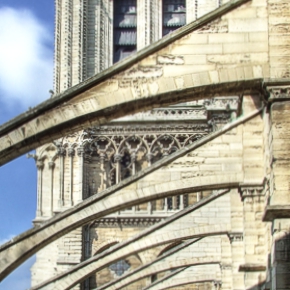
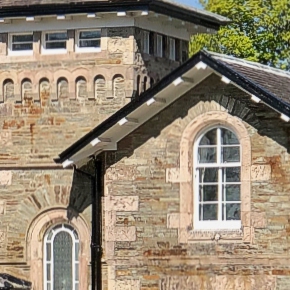
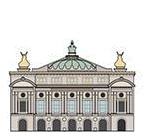
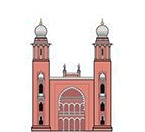
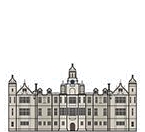
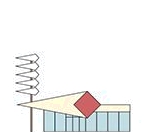
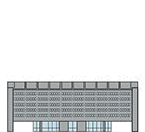
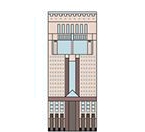
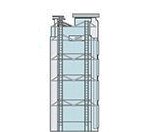
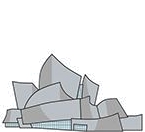
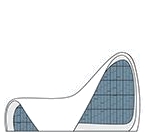
This image depicts the evolution of architecture over thousands of years starting from simple stone structures and ending with the fluid, tech-driven shapes of today. As an adjunct, here is a breakdown of the major movements in architecture.

Foundations of the West (Ancient Era)

These styles established the "language" of architecture—columns, arches, and symmetry—that we still see in government buildings today.

Neolithic: Stone circles like Stonehenge.

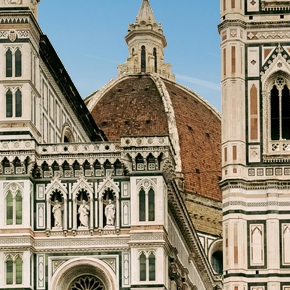
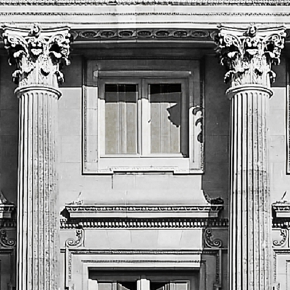
Ancient Greek & Roman: The birth of the Classical orders (Doric, Ionic, Corinthian) and the use of the arch and dome.

Spiritual & Medieval Grandeur (400s – 1400s)

As empires shifted, architecture became a way to express religious devotion and defensive strength.

Byzantine: Famous for massive domes and gold mosaics (e.g., Hagia Sophia).

Gothic: Known for "reaching toward heaven" with pointed arches, flying buttresses, and stained glass.

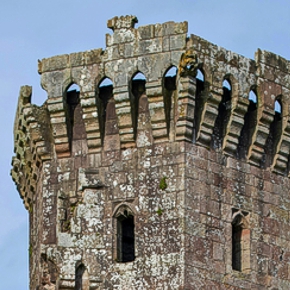
Norman/Romanesque: Thick walls, small windows, and sturdy castles.

The Rebirth & Global Influences (1400s – 1700s)

The Renaissance brought back "logical" Greek and Roman styles, while other regions developed distinct, intricate aesthetics.

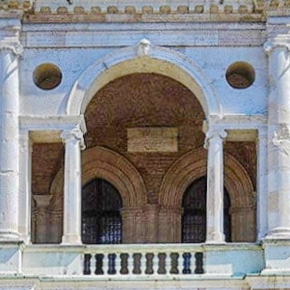
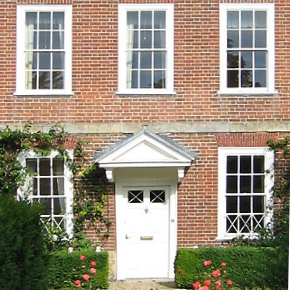
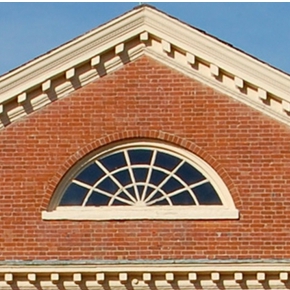
Renaissance & Palladian: Focus on perfect proportion and symmetry.

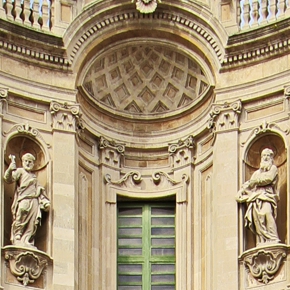
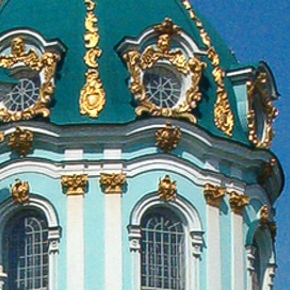
Baroque & Rococo: High drama, ornamentation, and "frilly" details.

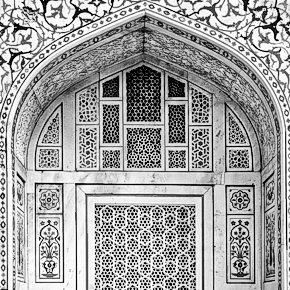
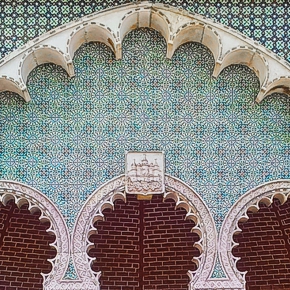
Indo-Islamic: Beautiful fusions seen in structures like the Taj Mahal.

Revivals & The Industrial Age (1800s)

Architects began looking back at history, leading to various "Revival" styles, while the Industrial Revolution introduced steel and glass.

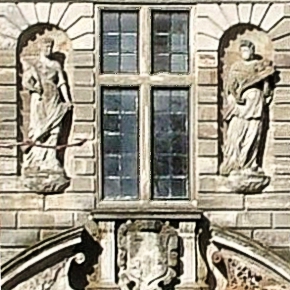
Neoclassical: Think of the U.S. Capitol or the White House.

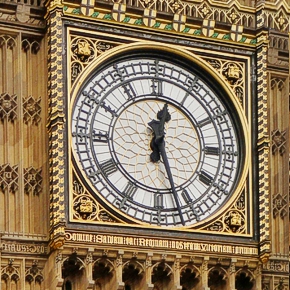
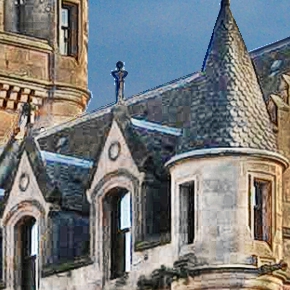
Gothic Revival: Often used for universities and churches (and the UK Parliament).

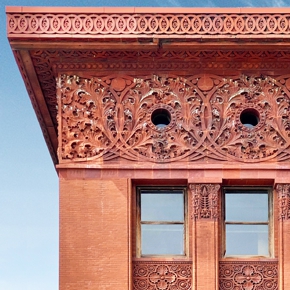
Chicago School: The birth of the skyscraper using steel frames.

The Modernist Revolution (1900s – 1960s)

A massive shift occurred where "form follows function." Decor was stripped away in favor of efficiency and new materials.

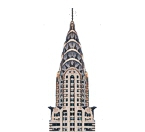
Art Deco: Glamorous, geometric, and sleek (e.g., the Empire State Building).

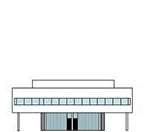
Bauhaus & International Style: The "glass box" look—simple, clean, and universal.

Brutalism: Characterized by raw, heavy concrete.

The Digital & Experimental Age (1970s – Present)

With the help of computers, architects can now design shapes that were previously impossible to build.

Post-Modernism: A playful return to color and historical "quotes."

Deconstructivism: Buildings that look fragmented or "broken" (think Frank Gehry).

Parametricism & Neo-Futurism: Fluid, organic, and "alien" shapes like those designed by Zaha Hadid.